

 See My Latest Article on HelloNation
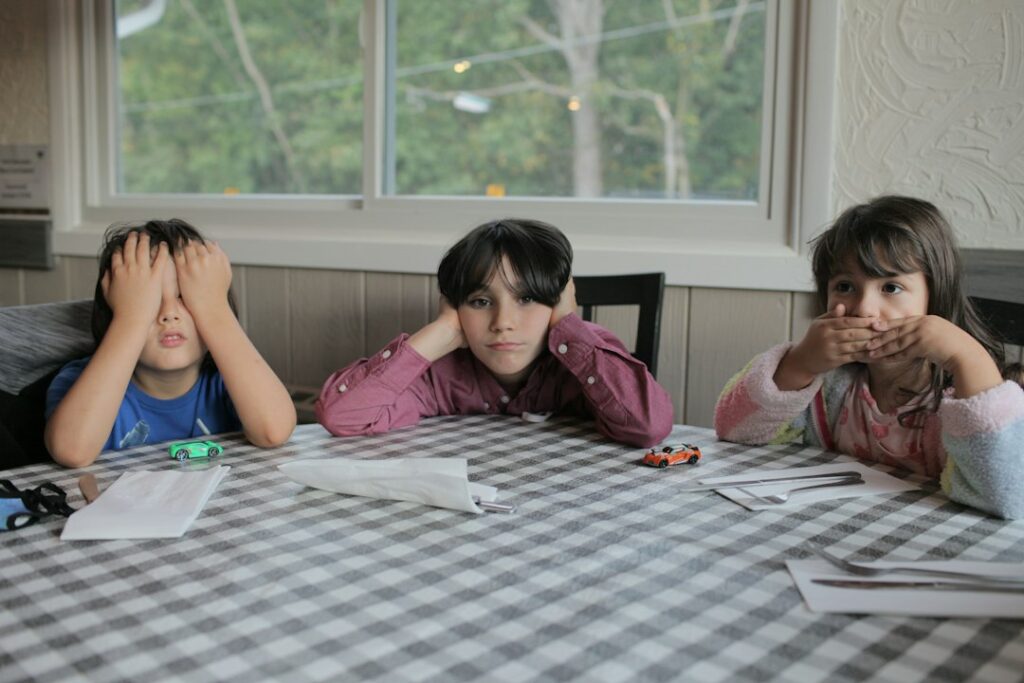
Dyslexia is a language-based learning difference that can make reading, spelling, writing, and working with written information more difficult. It does not reflect a child’s intelligence, effort, curiosity, or potential.
Explaining dyslexia to siblings and friends can reduce confusion and prevent hurtful assumptions. Children often understand the idea more easily when it is described in simple, respectful language and connected to everyday experiences.
What is dyslexia?
Dyslexia affects how the brain processes spoken and written language. A child with dyslexia may have difficulty connecting letters with sounds, reading unfamiliar words, spelling consistently, remembering written sequences, or reading quickly.
The difficulty may be especially noticeable during homework, classroom reading, or activities that require following written directions. Some children understand a story well when it is read aloud but struggle to read the same material independently.
Dyslexia does not mean a child sees letters backward all the time. Reversing letters or numbers can occur during early development for many children, but dyslexia involves broader and more persistent difficulties with language and literacy skills.
A useful explanation for siblings and friends is:
> “Dyslexia means reading and spelling take more effort for some people. It does not mean they are less smart.”
How can dyslexia be explained to younger siblings?
Younger children usually need a short, concrete explanation rather than a detailed lesson. The goal is to answer their questions honestly while protecting the child with dyslexia from being treated as a problem.
A parent or caregiver might say:
> “Your brother’s brain learns reading in a different way. He may need more time, extra practice, or someone to read directions aloud. He can learn, but reading may take more energy for him.”
Children may ask why one sibling receives different support. The explanation can focus on fairness rather than sameness:
> “Fair does not always mean everyone gets exactly the same thing. It means each person gets the help needed to participate.”
For example, one child may need audio instructions, fewer written items at a time, or additional time. That support is not a reward or an excuse. It is a way to make the task more accessible.
What should siblings understand about daily life?
Siblings benefit from knowing that dyslexia can affect more than reading a book. It may make ordinary tasks slower or more tiring, including:
- Reading a menu, game instructions, or text message
- Writing a shopping list or school assignment
- Remembering spelling patterns
- Copying information from a board or screen
- Organizing papers and written materials
- Following several written steps at once
- Reading aloud in front of other people
A child with dyslexia may appear to avoid homework, become frustrated quickly, or need breaks. Those behaviors do not automatically mean laziness. Concentrating on every sound and word can require significant mental effort.
This does not mean siblings must excuse unkind behavior or complete all tasks for the child. Family expectations should remain clear, while the support is adjusted to match the learning need.
How can friends be included without embarrassing the child?
The child with dyslexia should have a say in who knows and what is shared. Dyslexia is personal information, and not every classmate or friend needs a full explanation.
If the child is comfortable, a simple statement may be enough:
> “I have dyslexia, so I sometimes need more time to read. You can tell me the directions out loud if I ask.”
Friends can be taught practical ways to help without taking over. Helpful support may include:
- Giving the person time to finish reading
- Avoiding pressure to read aloud unexpectedly
- Reading directions aloud when requested
- Sharing notes in a clear format
- Checking whether instructions make sense
- Focusing on the activity instead of reading speed
Friends should not grab a book, announce mistakes, or correct every word in front of others. Public attention can increase embarrassment and make a difficult task feel threatening.
What misconceptions should be corrected?

Several common assumptions can make dyslexia harder for children to discuss.
“Dyslexia means someone cannot read.”
Many people with dyslexia learn to read successfully. They may continue to read more slowly, need specific instruction, or prefer audio support for lengthy material.
“The child is not trying.”
Reading may require intense concentration. A child may work hard and still make errors or need more time.
“Dyslexia is just reversing letters.”
Letter reversals may occur, but dyslexia is not defined by reversals alone. Difficulties with speech sounds, decoding, spelling, reading fluency, and written language are more central.
“A smart child cannot have dyslexia.”
Dyslexia occurs across a wide range of abilities. Strong reasoning, creativity, humor, memory for experiences, artistic skills, or problem-solving ability can exist alongside reading difficulties.
“Everyone should treat the child exactly the same.”
Respect should be equal, but support may need to be different. Providing an audiobook, extra time, or oral directions is comparable to making another type of access adjustment.
How should teasing or impatience be handled?
Teasing should be addressed directly, whether it occurs at home, at school, during sports, or among neighborhood friends. Comments such as “That is easy,” “You are too slow,” or “You are not trying” can damage confidence even when spoken casually.
Adults can establish a clear rule: reading ability is not entertainment, and mistakes are not acceptable targets for jokes.
A child who witnesses teasing can help by changing the subject, including the child in another activity, or telling a trusted adult. Siblings do not have to argue with every unkind person, but they can avoid joining in and show that respect matters.
In Somerset, KY, children may encounter one another through school activities, churches, sports, extended family gatherings, and close neighborhood connections. Because social circles can overlap, a careless comment may travel quickly. Private conversations about dyslexia should remain private unless the child has agreed to share more widely.
What language builds confidence?
Use language that describes the task without labeling the child negatively.
Helpful phrases include:
- “That part is taking extra effort.”
- “Would you like the directions read aloud?”
- “You can take your time.”
- “Which kind of help works best?”
- “Making a reading mistake does not change your ability.”
- “Let’s solve the problem without making you feel rushed.”
Avoid calling a child lazy, careless, dramatic, or forgetful when the real issue may be language processing, fatigue, stress, or difficulty organizing written information.
Children with dyslexia need opportunities to be known for more than schoolwork. Shared hobbies, outdoor play, music, building projects, conversation, cooking, games, and family traditions can reinforce a balanced sense of identity.
When should the explanation change as children grow?
The explanation should become more detailed as the child matures. A young child may need only a few sentences. An older child may want to understand how dyslexia affects reading fluency, spelling, note-taking, testing, and self-advocacy.
Teenagers may also need language for explaining accommodations to friends, teachers, coaches, or employers. The central message remains consistent: dyslexia is a real learning difference, support is appropriate, and the person is not defined by a reading difficulty.
The most respectful approach is to speak about dyslexia openly without making it the center of every conversation. Siblings and friends should understand the challenge, know how to offer useful support, and continue to treat the child as a complete person with interests, responsibilities, strengths, and choices.