

 See My Latest Article on HelloNation
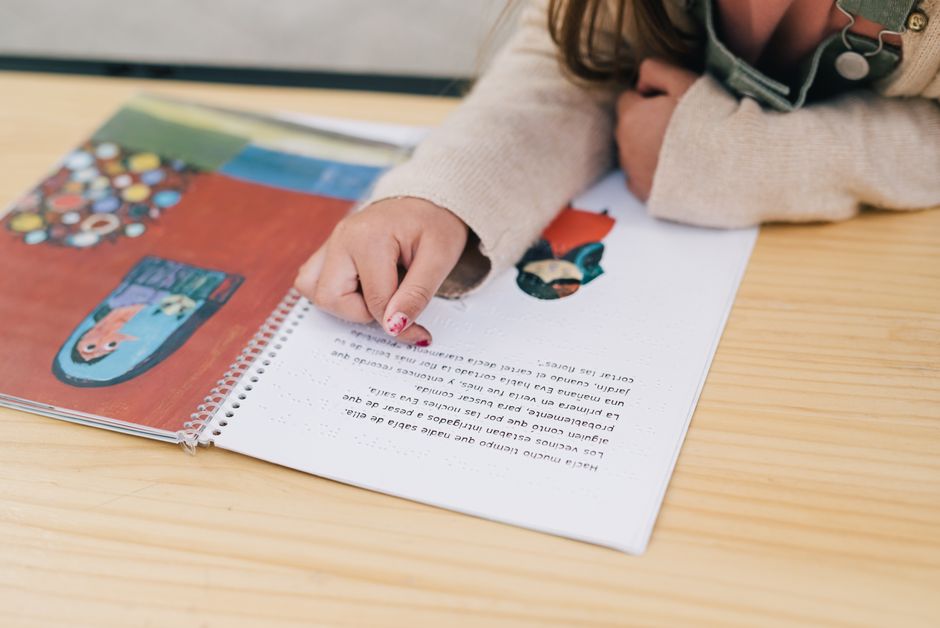
Reading ability and reading preference do not always develop at the same pace for a child with dyslexia. The right book should provide an appropriate level of challenge while reducing unnecessary barriers such as dense text, confusing page design, or unfamiliar vocabulary.
For families in Somerset, KY, choosing books can become easier by looking beyond age labels and grade levels. A useful book is one that matches the reader’s current skills, interests, attention span, and need for support.
What makes a book a good choice for a dyslexic reader?
A good book for a dyslexic reader is accessible without being childish. It should allow the reader to practice accurate, steady reading while also enjoying the story or information.
Useful features may include:
- Clear, uncluttered page layouts
- Short chapters or manageable sections
- Familiar vocabulary mixed with a limited number of new words
- Predictable spelling patterns in early reading materials
- Illustrations that support meaning without replacing the text
- Adequate spacing between lines and words
- Strong story structure or clearly organized information
- Topics that reflect the reader’s interests
No single font, paper color, or book format works for every person with dyslexia. Reading needs vary widely. Some readers benefit from larger print, while others prefer standard print with more spacing. The reader’s comfort and accuracy matter more than following a fixed design rule.
Should books be chosen by age, grade, or reading level?
Reading level can provide helpful information, but it should not be the only factor. A child may understand complex ideas when listening but need simpler text for independent reading. This difference is common and does not indicate a lack of intelligence.
A practical approach is to choose books in three groups:
1. Comfort books: Text the reader can handle independently and read with reasonable accuracy.
2. Practice books: Text that includes some challenge but remains manageable with instruction or encouragement.
3. Listening books: More advanced books read aloud by an adult, shared through audio, or explored together.
This three-part approach protects enjoyment while still supporting growth. A reader should not be limited to books that match a narrow reading level. Interest in science, animals, sports, history, humor, mysteries, or fantasy can motivate a child to persist through difficult words.
How can families tell whether a book is too difficult?
A book may be too difficult for independent reading if the reader struggles with many words on nearly every page, loses the meaning of sentences, or becomes exhausted after a short amount of time.
Watch for signs such as:
- Guessing at words based only on the first letter or picture
- Skipping lines or losing place repeatedly
- Reading so slowly that the sentence meaning disappears
- Becoming upset before reading begins
- Avoiding unfamiliar words rather than attempting them
- Remembering little of what was just read
A few challenging words are normal. Constant breakdowns are a sign that the book may be better for shared reading, guided practice, or listening.
A simple test is to read a short section together. If the reader can explain the general meaning and work through some unfamiliar words with support, the book may be appropriate for instruction. If nearly every sentence requires correction, select an easier text.
Are decodable books useful for children with dyslexia?
Decodable books can be especially useful for beginning and developing readers because the words are selected to match spelling patterns that have already been taught. This allows children to practice connecting letters and sounds instead of relying mainly on pictures, memory, or guessing.
A decodable book is most helpful when it matches the reader’s instruction. For example, a child who is learning short-vowel patterns may benefit from text containing many words with those patterns and only a small number of irregular words.
Decodable books can sound repetitive, but repetition serves a purpose. It gives the reader multiple chances to build accuracy and confidence. They should be used alongside rich read-alouds, conversation, nonfiction, poetry, and books chosen for personal interest.
What types of books often work well?
Different formats can reduce fatigue and make reading more approachable.
Short chapter books provide a sense of progress without requiring the reader to manage a long text all at once. Chapters with clear beginnings and endings can also make stopping easier.
Graphic novels and illustrated nonfiction may help readers follow plot, sequence, and meaning. They still require careful reading, but pictures can provide context and reduce the burden of holding every detail in memory.
High-interest, lower-reading-level books allow older children and teenagers to read about mature subjects without being given material that feels too young.
Poetry, jokes, riddles, and scripts can offer shorter lines and natural opportunities for repeated reading. Performing a short script aloud may also make practice feel purposeful.
Audiobooks paired with print can support vocabulary, fluency, and comprehension. Listening should not be treated as cheating. It gives the reader access to ideas and language while print-reading skills continue to develop.
How should page design affect the choice?
Page design can influence stamina, especially for readers who lose their place or become overwhelmed by dense text. Look for books with reasonable spacing, clear paragraph breaks, and enough contrast between the words and the page.
Some readers prefer:
- Larger print
- Matte rather than glossy pages
- A reading guide or blank sheet to track lines
- One page at a time instead of a crowded spread
- Digital text that can be enlarged or paired with text-to-speech
These supports are not substitutes for explicit reading instruction. They are adjustments that make it easier to apply developing skills.
Families can also preview a book before offering it. Examine a few pages for crowded text, unusually small print, long paragraphs, or a high number of unfamiliar names and words.
How can adults support reading without taking over?
Adults can support dyslexic readers by making reading active and low-pressure. Before reading, discuss the title, pictures, or subject. During reading, allow time for word solving and avoid immediately supplying every difficult word.
Helpful prompts include:
- “Look at all the letters in the word.”
- “What sound does that spelling pattern usually make?”
- “Read the sentence again and check whether it makes sense.”
- “What part of the word do you recognize?”
- “Would you like to try it first, or hear it?”
Praise specific effort, such as noticing a spelling pattern, rereading a sentence, or correcting an error independently. Avoid asking a child to read aloud without preparation in front of a group if that experience causes embarrassment or anxiety.
For households managing busy school weeks, a short, consistent reading routine is often more sustainable than occasional long sessions. Ten to fifteen focused minutes may be enough for practice, followed by a longer shared reading experience for enjoyment.
What should families remember about book choice?
The right book is not necessarily the easiest book or the most advanced book. It is the book that allows a reader to practice needed skills, understand the content, and remain willing to read again.
A dyslexia specialist may help identify whether a reader needs decodable text, fluency practice, vocabulary support, comprehension strategies, or a combination of approaches. Families can then select books that reinforce those goals while preserving the reader’s interests and dignity.
A successful reading choice may be a simple book read independently, a challenging book enjoyed through listening, or a shared text that makes discussion possible. Progress is supported when readers have access to all three.